
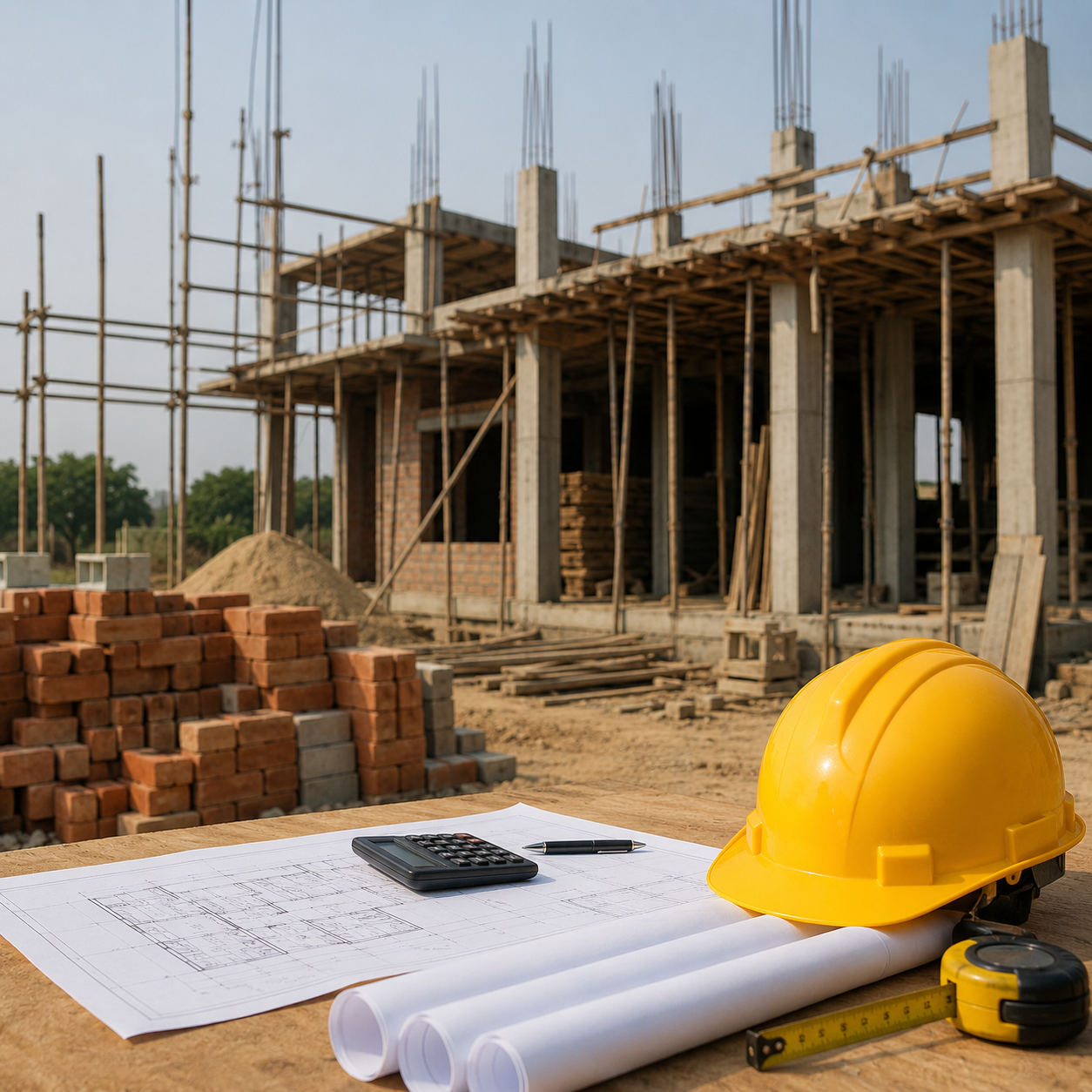
Construction Costs Increase During the Project for several reasons, and this is a common concern for homeowners building a house in Jaipur, Rajasthan, or anywhere in India. Even when a detailed budget is prepared before work begins, changes in material prices, design requirements, labour availability, site conditions, and project delays can affect the final cost. Understanding why Construction Costs Increase During the Project helps homeowners plan better, manage expectations, and reduce unnecessary financial surprises.
The good news is that many unexpected expenses can be reduced. With detailed planning, realistic budgeting, clear drawings, and proper construction management, homeowners can maintain better control over their project from start to finish.
Why Do Construction Costs Increase During the Project?
Many homeowners expect the original construction estimate to remain unchanged until completion. In reality, a construction estimate is based on the project scope, material specifications, market conditions, and information available at the time of planning. When any of these factors change, construction costs increase during the project.
Some increases are unavoidable, especially when market prices or unexpected site conditions change. However, many additional expenses can be controlled through detailed planning, clear communication, and proper project supervision.
1. Changes in Construction Material Prices
One of the main reasons construction costs increase during the project is the fluctuation in material prices. Construction projects may continue for several months, and the rates of cement, steel, bricks, sand, aggregates, electrical materials, plumbing products, tiles, and other items can change during that period.
For example, a house construction estimate prepared at the beginning of the project may be based on the current market rate of steel and cement. If those prices rise before all materials are purchased, the overall budget can increase.
This is why homeowners should prepare a realistic budget instead of relying only on the lowest initial estimate. For a better understanding of local pricing, homeowners planning a house can also refer to our Best House Construction Cost Per Sq Ft in Jaipur (2026 Complete Guide), which explains important factors that influence residential construction costs in Jaipur.
When cement, steel, electrical products, plumbing materials, tiles, or other major items become more expensive, construction costs increase during the project because the remaining work must be completed at the new market rates. This is particularly important for projects that continue over several months.
When major material rates change after construction begins, Construction Costs Increase During the Project because the remaining work must be completed using materials purchased at the new market prices.
2. Design Changes After Construction Has Started
Changing the design after construction begins is another major reason construction costs increase during the project.
A homeowner may initially approve a simple layout but later decide to add a room, enlarge a balcony, modify the staircase, change the kitchen design, or upgrade the bathrooms. These changes may require additional materials and labour. In some cases, completed work may also need to be removed and rebuilt.
For example, changing the location of a bathroom after plumbing work has been completed can result in additional demolition, plumbing, waterproofing, flooring, and finishing costs.
This is why architectural planning should be completed carefully before construction begins. A clear design and defined scope of work can reduce unnecessary changes during execution and help homeowners make better decisions about whether Turnkey Construction vs Hiring Individual Contractors: 7 Positive Insights for Homeowners is the right approach for their project.
Frequent changes should be avoided wherever possible. Once construction has started, even a small modification can affect several connected activities. As a result, construction costs increase during the project not only because of additional materials but also because of extra labour, rework, and delays.
3. Incomplete Estimates and Missing Work
Sometimes, construction costs do not actually rise unexpectedly. Instead, important items may not have been included in the original estimate. In many cases, homeowners later feel that Construction Costs Increase During the Project, when the actual issue is that certain essential works were not included in the original quotation.
A quotation may cover structural work, brickwork, and plaster but exclude waterproofing, electrical fittings, plumbing fixtures, flooring, painting, doors, windows, or other finishing work. Homeowners may later discover that these items require additional spending.
Before starting construction, the complete scope should clearly mention what is included and what is not.
A detailed estimate should ideally consider:
- Structural construction
- Brickwork and plaster
- Electrical work
- Plumbing work
- Waterproofing
- Doors and windows
- Flooring
- Painting
- Bathroom fittings
- Kitchen requirements
- External development
Comparing the complete scope is more important than simply comparing the final amount quoted by different contractors.
4. Unexpected Site Conditions
Every plot is different. Conditions that are not fully identified before construction can also explain why construction costs increase during the project.
A site may require additional excavation, filling, soil improvement, drainage work, demolition, or other preparation before construction can continue. Poor accessibility can also increase transportation and handling costs for materials.
In Rajasthan, soil conditions and plot characteristics can vary considerably depending on the location. A proper site assessment before construction helps identify possible challenges and allows them to be considered during the planning and budgeting stage.
Good planning at this stage can prevent many expensive surprises later. Unexpected excavation, soil treatment, drainage, or site preparation requirements are another reason Construction Costs Increase During the Project beyond the original estimate.
5. Delays in Construction Work
Construction delays can have a direct impact on the overall budget. When a project takes longer than expected, labour expenses, site management costs, equipment requirements, and material prices may all change.
Delays can happen because of late decisions, material shortages, labour availability, poor coordination, payment issues, or frequent design changes.
This is where proper project management becomes important. Homeowners can better understand the value of organised planning and supervision through our article 7 Reasons Why Turnkey Construction Projects Help Better Manage Construction Sites, which explains how coordinated construction management can improve site control and reduce avoidable problems.
A well-managed project does not guarantee that every delay can be avoided, but it can help identify problems early and reduce their financial impact.
A delayed project can create a chain reaction of additional expenses. Material rates may change, labour availability may become more expensive, and site management costs may continue for longer than originally planned. This is another important reason construction costs increase during the project.
6. Upgrading Materials and Finishes
Many homeowners begin construction with a planned budget but later choose higher-quality or more premium materials.
For example, a standard flooring option may be replaced with premium tiles, basic bathroom fittings may be upgraded, or a simple window system may be replaced with a higher-performance option. These improvements can enhance the final property, but they will naturally increase the project cost.
Material upgrades can improve the appearance and performance of a home, but they also explain why Construction Costs Increase During the Project when these decisions are made after the original budget has been finalised.
There is nothing wrong with upgrading materials when the budget allows it. The important point is to understand the financial impact before making the decision.
Homeowners should keep some flexibility in their budget for genuine upgrades and avoid making major selections at the last minute.
7. Rework Caused by Poor Planning or Supervision
Construction mistakes can become expensive when they are discovered after the work has already been completed.
Incorrect plumbing, poor waterproofing, inaccurate measurements, improper electrical planning, or mistakes in structural and finishing work may require demolition and rework. The homeowner then pays not only for the correction but may also lose materials and valuable project time.
This is one reason professional supervision is important throughout the construction process. Our guide, Why Construction Sites Fail: 10 Common Mistakes Homeowners Should Avoid, highlights several issues that can create unnecessary delays, wastage, and additional expenses during a construction project.
Rework is particularly expensive because Construction Costs Increase During the Project through additional labour, replacement materials, demolition, and delays.
Preventing mistakes is usually more affordable than correcting them later.
8. Additional Requirements Added During the Project
Homeowners sometimes assume that every requirement is included in the construction cost. However, certain works may only be added later when the project is already underway.
These may include boundary walls, landscaping, wardrobes, modular kitchens, specialised waterproofing, additional electrical points, premium fittings, or other customised work.
The best way to avoid confusion is to discuss these requirements before finalising the contract or construction agreement.
A clear list of inclusions and exclusions gives both the homeowner and construction team a better understanding of the project scope. It also makes it easier to identify whether a new expense is part of the original work or an additional requirement requested during construction.
When new requirements are added after the scope has been approved, Construction Costs Increase During the Project because these items require additional materials, labour, and execution time.
9. Choosing the Lowest Quotation Without Comparing the Complete Scope
The lowest quotation is not always the most economical choice in the long term.
Two contractors may quote very different amounts because they are offering different specifications and scopes of work. One quotation may include waterproofing, better-quality materials, site supervision, and finishing work, while another may exclude some of these important requirements.
For this reason, homeowners should compare quotations line by line instead of focusing only on the total amount. They should check material specifications, work inclusions, exclusions, project timelines, quality standards, and responsibilities.
This is why homeowners should look beyond the lowest price, as Construction Costs Increase During the Project when important work is excluded from an initial quotation and added later.
Before making a final decision, it is also useful to understand How to Find the Best Construction Company in Jaipur: A Complete Homeowner’s Guide. Choosing the right construction partner can make a significant difference in planning, communication, quality control, and overall budget management.
How Homeowners Can Control Construction Costs During the Project
While it is not always possible to prevent every increase, homeowners can take practical steps to reduce unnecessary expenses.
First, architectural and structural drawings should be completed before construction begins. Frequent changes after work has started can lead to rework and additional material requirements.
Second, prepare a detailed budget that covers more than just the basic structure. Electrical work, plumbing, waterproofing, flooring, doors, windows, painting, and finishing requirements should also be considered.
Third, maintain a contingency amount for genuine unexpected expenses. This provides greater financial flexibility if site conditions or market prices change.
Fourth, use modern planning and construction practices that improve efficiency and reduce wastage. Our article 9 Modern Building Construction Techniques Every Homeowner Should Know Before Building a House offers useful insights for homeowners who want to understand how better construction methods can support quality, efficiency, and long-term performance.
Finally, regular communication between the homeowner, architect, engineer, and construction team is essential. Problems identified early are generally easier and less expensive to resolve.
Proper planning does not eliminate every risk, but it can significantly reduce the situations in which Construction Costs Increase During the Project because of avoidable changes, poor coordination, or incomplete planning.
Why Professional Planning Matters for Cost Control
Construction is not simply about purchasing materials and hiring workers. A successful project requires coordination between design, engineering, budgeting, procurement, labour, scheduling, and quality control.
A good example of how construction projects progress through different stages can be seen in our Hotel Construction Project in Jaipur: 15,000 Sq Ft Structural Work Completed on Ajmer Road. Large projects require careful coordination between structural work, upcoming finishing activities, materials, and site management.
The same principle applies to residential construction. Even a smaller home project benefits from proper planning and a clearly defined construction process.
Homeowners should also ensure that the project follows relevant Indian building standards published by the Bureau of Indian Standards and applicable construction requirements. BIS provides access to information related to Indian Standards, helping professionals and stakeholders understand recognised standards and specifications.
The Importance of a Realistic Construction Budget
A realistic construction budget should account for the complete project rather than focusing only on the cost of the main structure.
Before work begins, homeowners should discuss:
- The expected construction timeline
- Material specifications and quality
- Scope inclusions and exclusions
- Possible material price changes
- Payment schedules
- The process for approving additional work
- A contingency amount for unexpected requirements
It is also important to understand the National Building Code of India guidelines and applicable local requirements during planning and construction. The National Building Code covers areas including building requirements, fire and life safety, structural design, construction management, building services, plumbing, sustainability, and facility management.
For homeowners in Jaipur and Rajasthan, local climate conditions should also be considered. Heat, rainfall, waterproofing needs, material selection, and building orientation can influence both construction requirements and long-term maintenance costs.
How to Prevent Construction Costs from Increasing During the Project
Although it is impossible to control every market change or unexpected situation, homeowners can take practical steps to reduce avoidable expenses. Finalising drawings, preparing a detailed scope, selecting materials early, and maintaining a contingency budget can provide better financial control.
The more changes that are made after construction begins, the greater the possibility that construction costs increase during the project. A properly planned project helps the homeowner understand costs before work starts rather than discovering additional requirements halfway through construction.
The earlier potential risks are identified, the easier it becomes to control the reasons why Construction Costs Increase During the Project.
Conclusion: Plan Early to Avoid Unnecessary Cost Increases
The main reason construction costs increase during the project is that construction is a combination of planning, materials, labour, engineering, site conditions, and time. When any of these elements change without proper planning, the overall budget can be affected.
By understanding why construction costs increase during the project, homeowners can make better decisions before construction begins and maintain stronger control over their investment throughout the project.
This should increase the keyword usage naturally without making the article sound repetitive.
FAQs About Why Construction Costs Increase During the Project
1. Why do construction costs increase during the project?
Construction costs can increase because of changes in material prices, design modifications, project delays, additional work, unexpected site conditions, labour requirements, and items that were not included in the original estimate.
2. Can I avoid all additional construction expenses?
No construction project is completely free from unexpected situations. However, detailed planning, a clear scope of work, realistic budgeting, and a contingency amount can significantly reduce unnecessary expenses.
3. Why is a detailed construction estimate important?
A detailed estimate helps homeowners understand what is included in the project cost. It can reduce confusion regarding structural work, finishing work, materials, labour, and additional requirements.
4. Do design changes increase house construction costs?
Yes. Design changes after construction has started may require additional materials, labour, demolition, and rework. Major changes can also affect the construction timeline.
5. Is the lowest construction quotation always the best choice?
Not necessarily. A lower quotation may exclude important work or use different material specifications. Homeowners should compare the complete scope, quality standards, inclusions, exclusions, and responsibilities before making a decision.
6. How much contingency budget should I keep for a construction project?
The appropriate contingency amount depends on the size, complexity, planning level, and specifications of the project. Homeowners should discuss this with their architect, engineer, or construction professional before starting work.
7. Do material prices affect house construction costs in Jaipur?
Yes. Changes in the prices of cement, steel, bricks, aggregates, electrical products, plumbing materials, tiles, and other construction materials can affect the overall cost of a house construction project in Jaipur.