
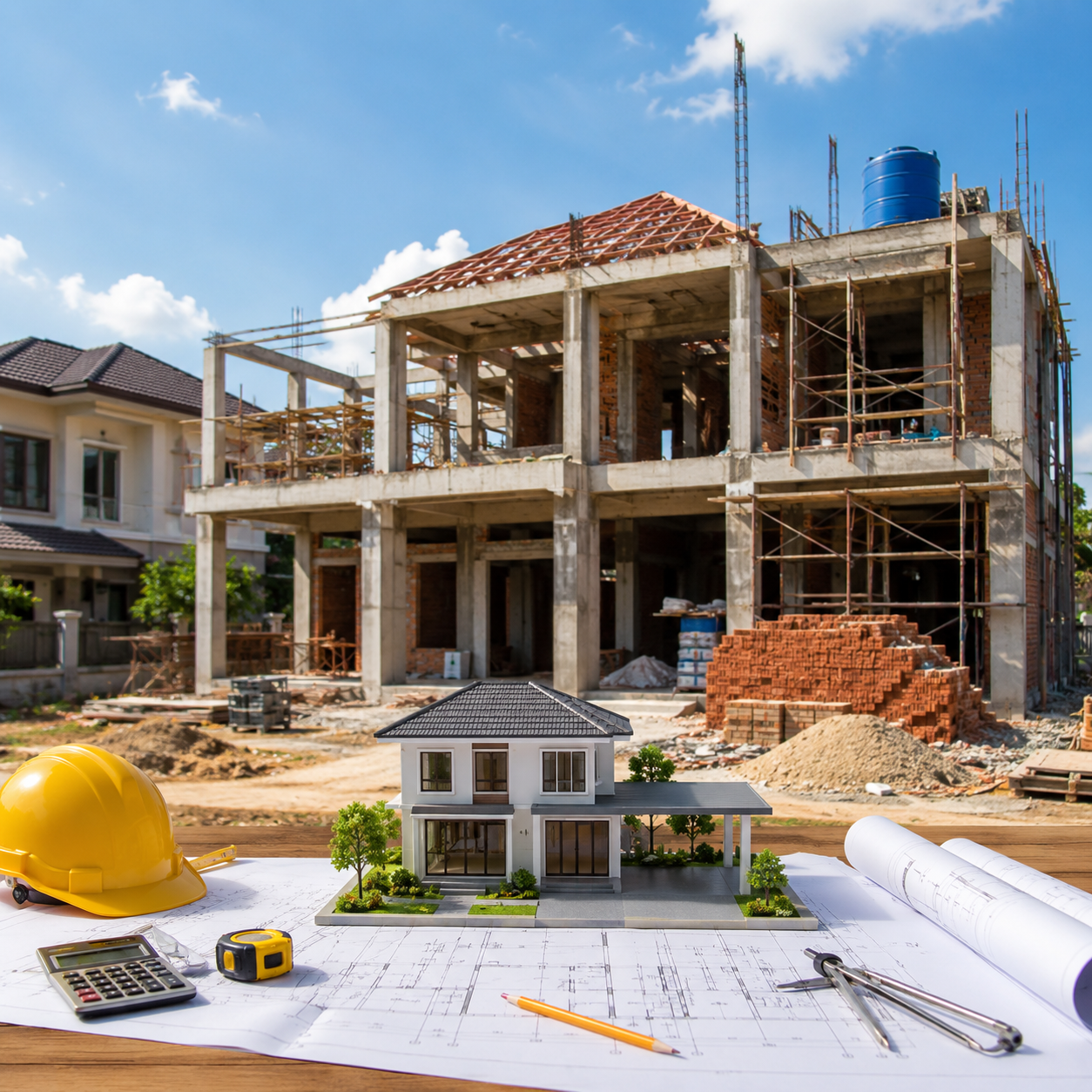
Building a home is one of the most significant investments a family makes. Yet, many homeowners start construction without understanding the complete home construction timeline, which often leads to delays, unexpected costs, and unnecessary stress.
Whether you’re building your first home in Jaipur, Rajasthan, or anywhere in India, knowing what happens at each stage helps you plan your budget, monitor progress, and make better decisions. This guide explains every phase of the journey—from buying a plot to moving into your dream home. If you’re planning a turnkey home, you may also like our guide on Turnkey Construction Services.
What Is a Home Construction Timeline?
A home construction timeline is the step-by-step sequence followed while building a house. It covers everything from planning and approvals to construction, finishing, and possession.
Most residential homes in India are completed within 8 to 12 months, although the duration depends on the size of the house, weather conditions, labour availability, design complexity, and timely approvals.
1. Plot Verification and Budget Planning
The journey begins long before construction starts.
Before investing in a plot, ensure that the ownership documents are clear and that the land complies with local development regulations. Preparing a realistic construction budget at this stage helps avoid financial surprises later.
You should also decide whether you’ll build through individual contractors or opt for a turnkey construction company that manages the entire project.
2. Architectural Design and Municipal Approvals
Once the plot is finalized, your architect prepares the house design according to your family’s requirements.
This stage includes:
- Floor plans
- Elevation design
- Structural drawings
- Electrical layout
- Plumbing layout
These drawings are submitted to the local authority for approval before construction begins. A well-planned design improves natural ventilation, lighting, energy efficiency, and future usability.
3. Site Preparation and Foundation
After approvals, the site is cleaned and marked according to the approved drawings.
The construction team then begins:
- Excavation
- Foundation work
- PCC
- Footings
- Columns up to plinth level
The foundation supports the entire building. Using quality materials and proper engineering during this stage is one of the best long-term investments.
4. Structural Construction
This is the stage where your dream home starts becoming visible.
The structural phase includes:
- RCC columns
- Beams
- Roof slabs
- Brickwork
- Staircase
- Boundary walls
Quality supervision during structural work is essential because any mistakes here are difficult and expensive to correct later.
5. Electrical and Plumbing Installation
Before the walls are plastered, concealed electrical wiring and plumbing pipelines are installed.
This is the ideal time to plan:
- Air-conditioner points
- Internet connections
- Modular kitchen requirements
- Solar power provisions
- CCTV wiring
- Additional power sockets
Good planning today saves expensive modifications after possession.
6. Plastering and Waterproofing
Once the structure is complete, plastering gives walls a smooth finish while waterproofing protects the building against moisture.
Waterproofing is especially important for:
- Bathrooms
- Kitchen
- Roof terrace
- Water tanks
- Balconies
Ignoring waterproofing can lead to seepage, damp walls, and costly repairs in the future. If you’re interested in building a durable home suitable for Rajasthan’s climate, read our article on Weatherproof Homes.
7. Flooring, Doors and Windows
This stage transforms the structure into a livable home.
It includes installation of:
- Floor tiles or marble
- Doors
- Windows
- Railings
- Glass work
- False ceilings (if applicable)
Selecting durable materials with low maintenance costs offers better value over the life of your home.
8. Painting and Interior Finishing
The final finishing stage includes:
- Wall putty
- Primer
- Interior and exterior painting
- Bathroom fittings
- Modular kitchen
- Wardrobes
- Lighting fixtures
Many homeowners exceed their budget during this phase because of last-minute design upgrades. Planning your finishes early helps maintain better cost control.
9. Final Quality Inspection
Before taking possession, inspect every room carefully.
Check:
- Water leakage
- Electrical switches
- Plumbing fixtures
- Door alignment
- Window operation
- Paint quality
- Tile finish
A professional quality inspection ensures small defects are corrected before you move in.
10. Possession and Moving Into Your Dream Home
Once all work is completed and approved, your home is ready for possession.
Before shifting:
- Test all electrical and plumbing systems.
- Collect warranties for fittings and appliances.
- Keep copies of structural drawings and invoices.
- Clean the entire house thoroughly.
Your dream home is now ready to welcome your family.
Common Reasons Why Home Construction Gets Delayed
Many residential projects exceed their expected timeline due to avoidable mistakes.
Some of the most common reasons include:
- Frequent changes in house design
- Delayed material procurement
- Labour shortages
- Poor project management
- Monsoon interruptions
- Budget constraints
- Delays in municipal approvals
Choosing an experienced construction company with proper planning can significantly reduce these risks.
Why More Homeowners Prefer Turnkey Construction
Managing architects, contractors, suppliers, electricians, plumbers, and painters separately can become overwhelming.
This is why many families now choose turnkey construction.
A turnkey construction company handles:
- Design
- Approvals
- Material procurement
- Construction
- Quality control
- Project management
- Final handover
This results in better coordination, defined timelines, transparent costs, and greater peace of mind for homeowners.
FAQs
How long does it take to build a house in India?
Most independent homes take around 8 to 12 months to complete. Larger or more customized homes may require additional time.
Which stage of construction takes the longest?
Structural construction usually takes the most time because it includes RCC work, brickwork, curing, and roof slab construction.
Can weather affect the home construction timeline?
Yes. Heavy rainfall, especially during the monsoon, can delay excavation, foundation work, masonry, and exterior finishing.
How can I avoid delays while building my home?
Finalize the design before construction begins, prepare your budget in advance, use quality materials, and choose an experienced construction partner who follows a planned schedule.
Is turnkey construction better than hiring multiple contractors?
For many homeowners, yes. Turnkey construction simplifies project management, improves quality control, and reduces coordination issues because one company is responsible for the complete project.
Why is waterproofing important during construction?
Proper waterproofing protects the building from seepage, damp walls, and structural damage. It also reduces future maintenance costs and increases the life of your home.
Final Thoughts
A clear home construction timeline helps homeowners understand every stage of the building process before construction even begins. From planning and approvals to finishing and possession, each phase plays an important role in creating a safe, durable, and comfortable home.
Whether you’re constructing your first house or upgrading to your dream home, careful planning and the right construction partner can save both time and money while ensuring superior quality.
For homeowners looking for a hassle-free experience, turnkey construction offers a practical solution by managing every stage under one roof.
For more reliable information on construction standards and energy-efficient buildings, you can also refer to:
- National Building Code (BIS).
- Ministry of Housing and Urban Affairs.
- Bureau of Energy Efficiency (BEE).
If you’re planning to build your dream home in Jaipur or Rajasthan, explore our Residential Construction Services and House Construction Cost Guide to make informed decisions before you begin.