
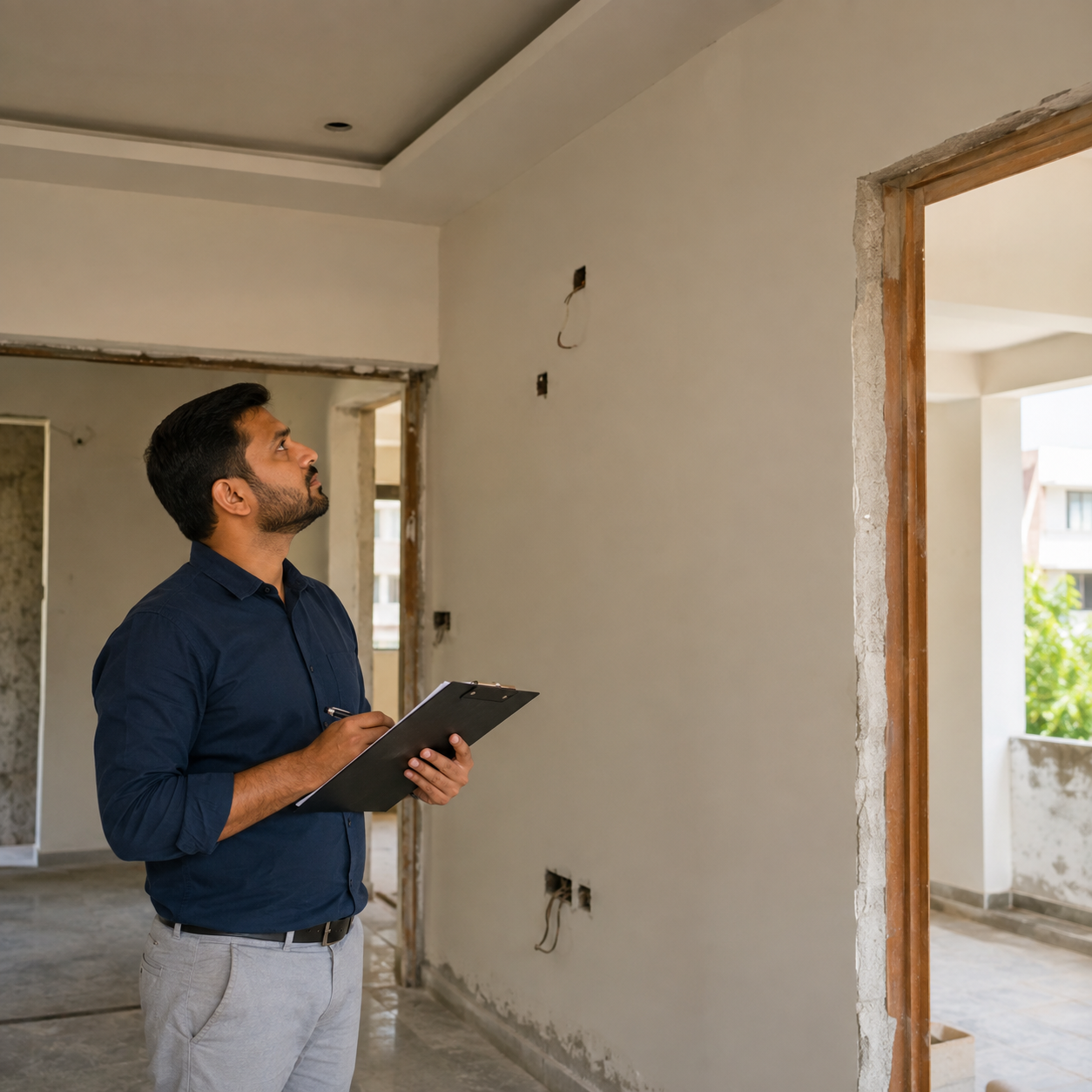
The construction quality of a built house is about much more than attractive paint, stylish interiors or expensive fittings. A home can look impressive while still having problems with waterproofing, plumbing, electrical work, flooring or workmanship. Knowing what to inspect can help you identify issues before they become expensive repairs.
Whether you are buying a completed property, taking possession of a newly constructed home or checking your own house after construction, a systematic inspection is worthwhile. You do not need to be a technical expert to spot many common warning signs, although serious structural concerns should always be assessed by a qualified professional.
Here are nine practical checks to help you understand the construction quality of a built house.
1. Check Walls for Cracks, Dampness and Uneven Surfaces
Start with the walls because they can reveal visible signs of construction or maintenance problems.
Look for large cracks, recurring cracks, diagonal cracks around openings, damp patches, peeling paint and visibly uneven surfaces. Pay particular attention to areas around doors, windows, bathrooms and external walls.
Not every small hairline crack means there is a structural problem. However, cracks that are wide, recurring or getting larger should not simply be covered with putty and paint.
A professional assessment is advisable when you are unsure about the cause.
For homeowners, early attention to such problems can help reduce long-term maintenance costs. A well-planned home can also reduce future repair requirements through better detailing and material selection.
2. Inspect Floors and Tiles Carefully
Flooring is another important part of construction quality of a built house.
Walk through every room and look for visibly uneven floors, loose tiles, broken edges, excessive gaps or inconsistent tile levels. You can gently tap tiles to identify areas that sound noticeably different from surrounding tiles, although this alone does not prove a defect.
Bathrooms, balconies and utility areas deserve extra attention. Water should flow towards the drain rather than remain standing on the floor.
Poor flooring workmanship may initially appear cosmetic, but it can affect everyday comfort and may require expensive replacement if problems are extensive.
3. Test Doors and Windows
Open and close every door and window during inspection.
They should operate smoothly and close properly without excessive force. Check the alignment of frames, locks, handles, hinges and window shutters.
Also examine the sealing around window and door frames. Gaps or poor sealing can allow rainwater, dust and outside air to enter.
This check is particularly useful in Rajasthan, where homes may experience intense summer heat, dust and seasonal monsoon rainfall.
4. Check Plumbing, Water Flow and Drainage
Good plumbing is an essential part of the construction quality of a built house, but plumbing problems are often discovered only after occupants start using the property.
Turn on taps in the kitchen and bathrooms. Flush toilets and check how quickly water drains. Run water through sinks and floor drains and look underneath basins for leakage.
Check bathroom walls, ceilings below bathrooms and areas around plumbing fixtures for dampness or water stains.
Do not ignore a small leak. A minor plumbing problem can eventually damage walls, ceilings, cabinets and flooring.
5. Inspect Electrical Installations and Safety
Electrical work requires more than simply checking whether lights turn on.
Operate switches and sockets and look for loose plates, damaged fittings, exposed wires or poorly finished electrical points.
Ask whether the house has proper earthing and appropriate electrical safety protection. These aspects should be verified by a qualified electrician rather than tested by experimenting with electrical equipment yourself.
For a newly built property, ask for the electrical layout and relevant installation information wherever available.
The National Building Code covers building services including electrical installations, plumbing and other important aspects of building construction. Homeowners can refer to the Bureau of Indian Standards’ National Building Code information for authoritative background.
6. Check Waterproofing in Critical Areas
Waterproofing should be high on your inspection checklist when assessing construction quality of a built house.
Inspect the terrace, bathrooms, balconies, external walls and areas around water tanks. Look for damp patches, peeling paint, mould, water stains or a persistent musty smell.
For homes in Jaipur and Rajasthan, terrace and external-wall protection deserves particular attention because buildings experience strong summer heat as well as seasonal rainfall.
Ask the builder or contractor what waterproofing work was carried out and whether documentation or a warranty is available.
If recurring seepage has already damaged a property, planned house renovation may sometimes be necessary rather than repeatedly repainting affected areas.
7. Examine Finishing and Workmanship
Good construction quality of a built house is also visible in the finishing.
Inspect:
- Plaster and wall surfaces
- Paint application
- Tile joints
- Flooring
- False ceilings
- Kitchen counters
- Bathroom fittings
- Railings
- Woodwork
- External finishes
Look for chipped tiles, uneven paint, visible gaps, poorly finished joints and inconsistent workmanship.
A few minor finishing defects are common during handover and can usually be rectified. The important point is to record them and ensure they are corrected instead of assuming they will disappear with time.
8. Ask for Construction Records and Specifications
Do not judge a completed home only by what you can see.
Ask for available architectural and structural drawings, electrical and plumbing layouts, material specifications, waterproofing information, warranties and relevant completion documents.
You do not need to understand every technical detail. The purpose is to establish whether the project was properly planned, documented and supervised.
This is particularly useful when comparing different construction approaches, because the way design, contractors, materials and responsibilities are managed can affect quality control.
A clear construction process can also help homeowners manage budgets and avoid unexpected construction costs caused by changes, rework or poor coordination.
9. Get a Professional Inspection When Necessary
A homeowner’s inspection is useful, but it has limits.
If you are purchasing an expensive property, inspecting an older house or finding significant cracks, seepage or other concerns, consider engaging a suitably qualified architect, structural engineer, building professional or independent inspector.
Professional assessment becomes particularly important when the problem may involve the structure rather than just the surface finish.
The National Building Code of India includes provisions covering structural design, construction safety, materials, plumbing, electrical installations, construction management and building maintenance.
For homeowners researching Indian building requirements, the Bureau of Indian Standards (BIS) is an appropriate authoritative starting point rather than relying only on commercial websites.
What Should You Check First?
If you have limited time, prioritise the areas that can create the biggest future problems:
- Structural signs and significant cracks
- Waterproofing and dampness
- Plumbing and drainage
- Electrical safety
- Flooring and tile installation
- Doors and windows
- Construction documentation
- Finishing quality
Remember that a beautiful interior does not automatically indicate good construction.
Why Construction Quality Matters for a Jaipur Home
The construction quality of a built house directly affects comfort, durability, safety and future maintenance.
For homes in Jaipur and Rajasthan, local conditions should also be considered during design and construction. Strong summer temperatures, dust and seasonal rainfall can influence decisions related to waterproofing, ventilation, external finishes, shading and material selection.
This is why construction quality should be considered from the planning stage rather than only after the house is completed.
Homeowners should look for a construction team that clearly defines specifications, supervises workmanship, coordinates different trades and maintains proper project records.
For a professionally managed project, turnkey construction can be one approach worth evaluating because design, execution and coordination can be managed under a more integrated process.
Construction Quality of a Built House: Quick Checklist
Before accepting or purchasing a property, ask yourself:
- Are there significant or recurring cracks?
- Are walls visibly uneven or damp?
- Do floors drain water properly?
- Are tiles properly installed?
- Do doors and windows open and close smoothly?
- Are there plumbing leaks?
- Does water drain properly?
- Are electrical installations safely finished?
- Is the terrace properly protected against water?
- Are bathrooms and balconies free from signs of seepage?
- Are finishing defects recorded for correction?
- Are drawings, specifications and warranties available?
If several answers raise concerns, do not ignore them simply because the property looks attractive.
Frequently Asked Questions
1. What is the construction quality of a built house?
The construction quality of a built house refers to how well its structure, materials, workmanship, services, waterproofing and finishes have been planned and executed. Good quality should provide safety, durability, comfort and reasonable long-term maintenance.
2. How can I check the construction quality of a built house?
Inspect the walls, floors, doors, windows, plumbing, electrical installations, waterproofing and finishes. Also review available construction documents. For structural or serious defects, seek professional advice.
3. What are the biggest signs of poor construction quality?
Significant cracks, recurring dampness, water leakage, poor drainage, uneven floors, badly aligned doors and windows, exposed electrical wiring and extensive finishing defects can all be warning signs that deserve further investigation.
4. Is waterproofing important when checking a house?
Yes. Waterproofing problems can lead to dampness, damaged paint, mould and deterioration of finishes. Terraces, bathrooms, balconies and external walls should receive particular attention.
5. Should I get a house professionally inspected before buying?
For a major property purchase, professional inspection can be worthwhile, particularly if the property is older or you notice cracks, seepage or other concerns. A professional can assess issues that may not be obvious during a normal viewing.
6. Does good construction quality reduce maintenance?
Good planning, suitable materials, proper workmanship, effective waterproofing and regular supervision can reduce the likelihood of premature repairs and recurring maintenance problems.
Final Takeaway
The construction quality of a built house cannot be judged by appearance alone. Paint, lighting and interiors can make a property look excellent, but the real test is how well the structure, waterproofing, plumbing, electrical systems, flooring and workmanship have been executed.
If you are buying or taking possession of a home, inspect it systematically and document defects before final acceptance. If you are planning a new house, focus on quality from the design and construction stage instead of waiting for problems to appear.
A well-built home is not simply one that looks good on handover day. It is one that continues to perform well for years.